The pastors I spoke to could not name what I was experiencing. So rather than turning immediately toward belief, I turned toward discipline. I entered the United States Marine Corps, where structure, responsibility, and embodied accountability became formative forces in my life. That season grounded me in reality—in limits, consequences, the darkness of the human heart and the necessity of clarity under pressure. Following my service, I entered Middle Tennessee State University and began my studies in business, philosophy and religion.
Drawn to the questions of consciousness, spirituality and human meaning, I began a journey of study across various cultures, histories, and religious traditions. This inquiry eventually led me to theological study at Vanderbilt Divinity school with the intention of priestly ministry. During that time, I received training in historical theology, biblical interpretation, and pastoral formation.
A vocational reorientation followed—less a rejection than a widening. I found myself increasingly drawn to the psychological, symbolic, and experiential dimensions of spiritual life: the places where experience precedes doctrine, where the soul speaks in image, ritual, and story rather than propositions alone. It became clear that my former ideas of ministry were misaligned. I withdrew from the program and set out on a new journey.
During this period, I worked as a professional tattoo artist. Tattooing became an unexpected but profound teacher—an apprenticeship in presence, consent, embodiment, and threshold moments. People often arrive at tattooing during times of transition, grief, initiation, or reclamation of identity. Holding space in those moments sharpened my sensitivity to the ways meaning is carried in the body and marked through symbol.
Alongside this work, I deepened my study of mythology, indigenous spiritual traditions, comparative religion, and depth psychology—particularly Jungian and post-Jungian frameworks—that take the collective unconscious, archetypal experience, and symbolic meaning seriously without collapsing into spiritual abstraction. These studies helped me integrate psychological insight with spiritual practice, grounding mysticism in the realities of human psychological development, trauma, and relationship.
I entered Jungian Analysis to deepen my own formation while I completed formal training in spiritual direction through The Haden Institute. Here I was shaped by a contemplative, psychological and ecumenical approach rooted in discernment, attentiveness, and respect for the mystery of each person’s interior life. This training emphasized respect for sacred space, conscious presence over reflexive fixing, accompaniment and exploration over religious authority, and the cultivation of inner alignment rather than spiritual performance.
The practice at ElderWilde draws these strands together: disciplined presence, psychological depth, symbolic literacy, and contemplative practice. I serve individuals who are navigating life transitions, spiritual disorientation, vocational questions, or the integration of shadowed or neglected parts of themselves—always with an emphasis on grounded discernment, ethical boundaries, and embodied integration.
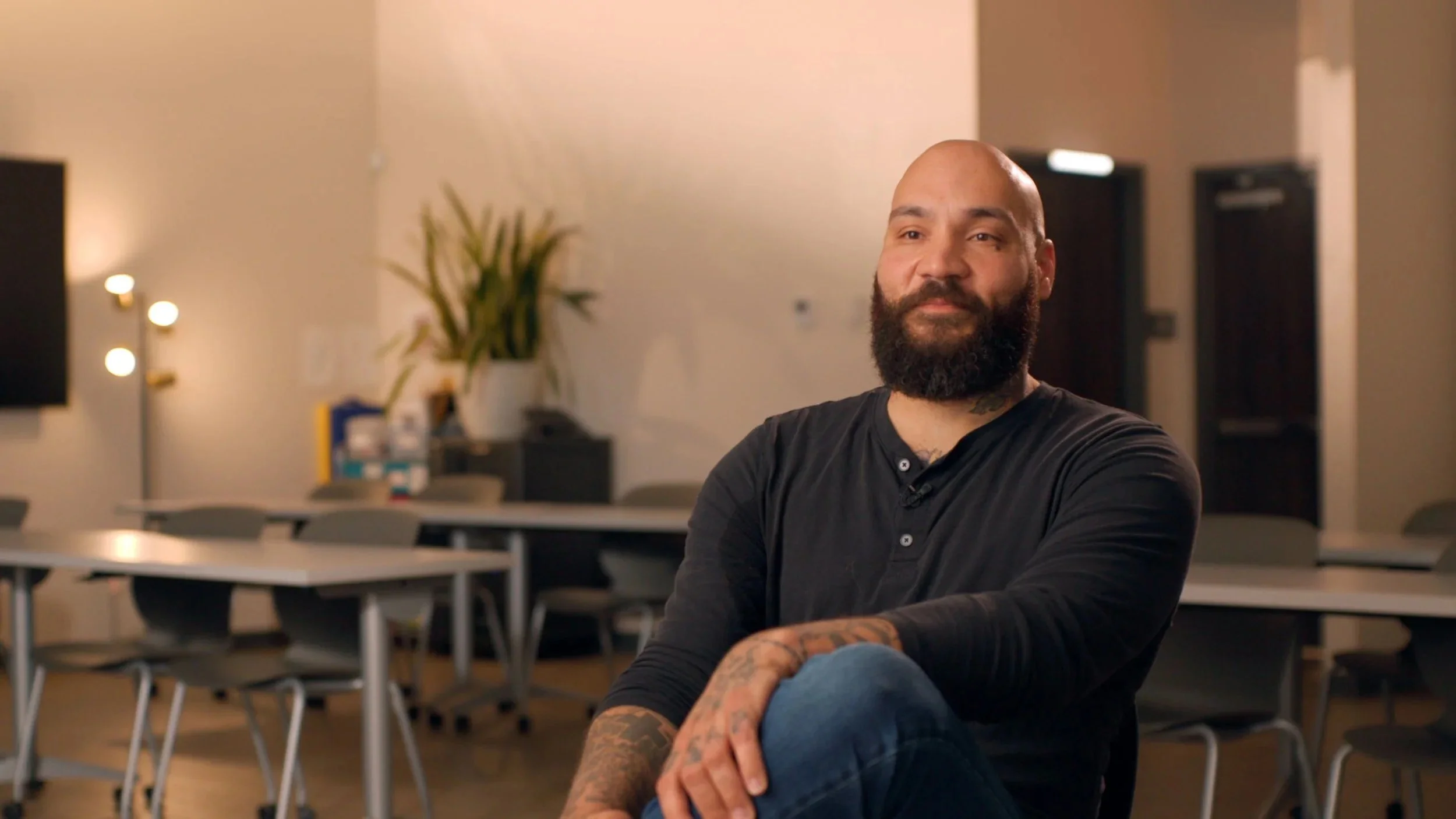
Christopher Peterson, BS, CSD
“Revelation is that moment in which we are grasped by the mystery of being.”
—Paul Tillich
My path into this profession did not begin in the academy, but in an unexpected experience.
A near-death encounter in early adulthood disrupted my assumptions about life, meaning, identity, and the nature of consciousness. I did not know what I had experienced, or what had happened to me. I had no religious background, no mentorship, and no orientation to make sense of what I had just experienced. The experience awakened a deep loneliness, a fierce curiosity and a painful longing.